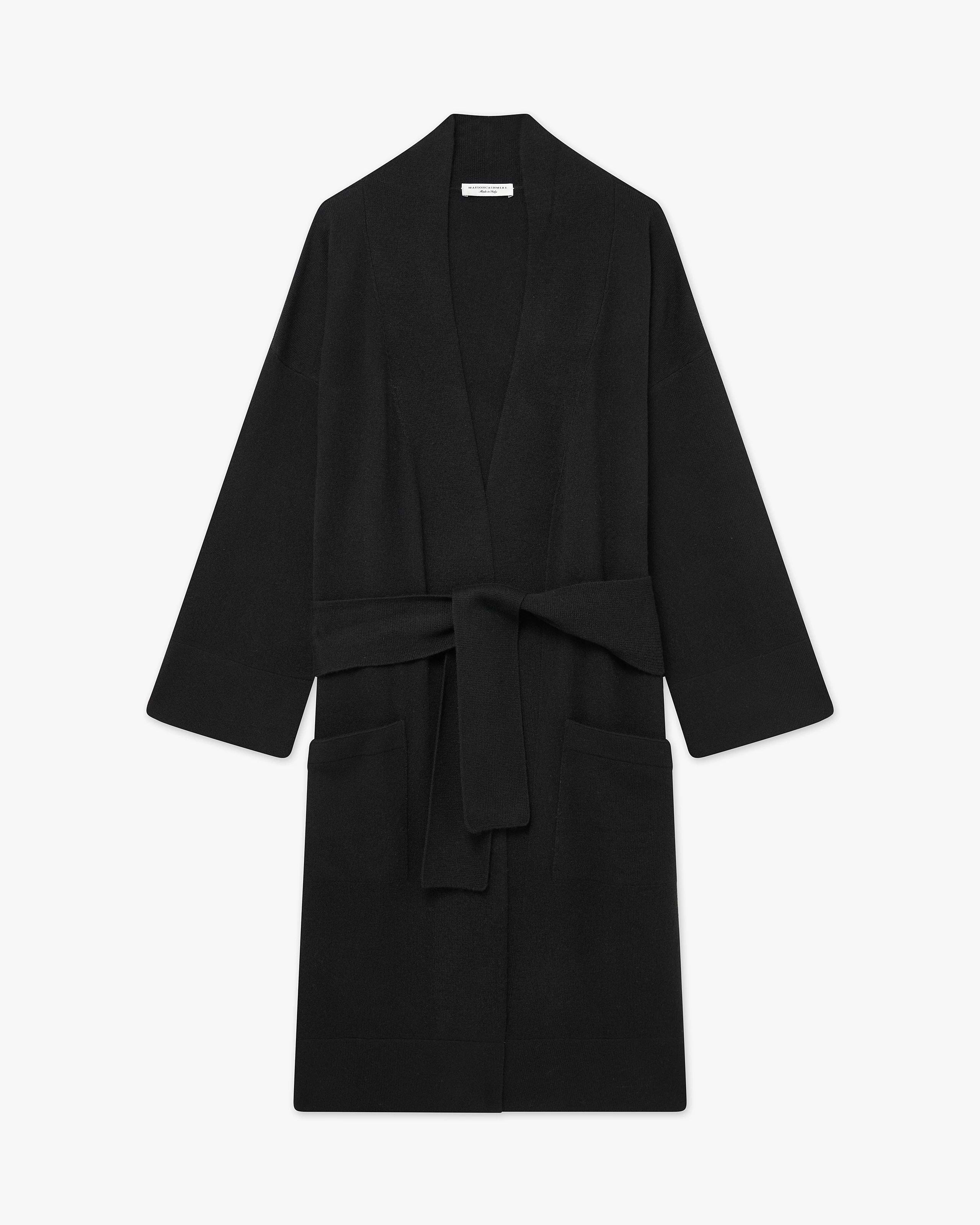
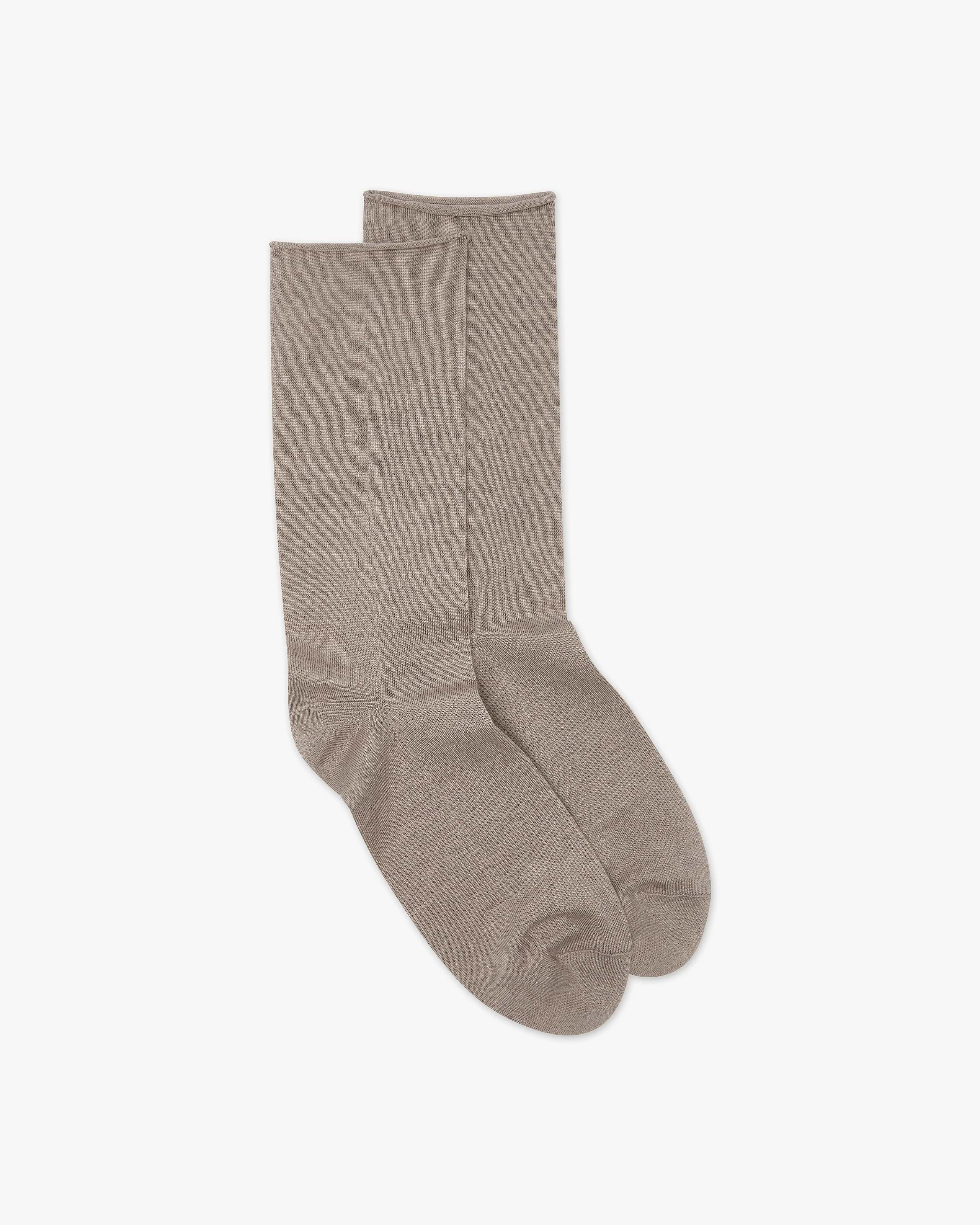
The product is sold at a premium price and labeled as 100% Cashmere Grade A (2/28 Nm, 2-ply, 12-gauge), setting very clear expectations regarding softness, drape, fiber behavior, and overall quality — expectations that are clearly reflected in the price.
The reality, however, is very different. The fabric I received is stiff, springy, and elastic — properties typical of merino wool or blended yarns, not cashmere. Even low-grade cashmere does not behave this way. The actual quality feels medium to low and is completely disproportionate to the price charged.
Combined with the lack of transparency about fiber origin and the growing number of negative reviews on Trustpilot, this raises serious concerns about labeling accuracy and business practices.
This is not merely a quality issue — it is a matter of pricing, transparency, and trust.
I strongly advise potential buyers to be extremely cautious. The product quality does not justify the price, and the labeling does not match the material delivered.
[UPDATE}:
As comments under this product are consistently closed and the trader does not respond to email inquiries or provide the requested information regarding material quality and origin, I am posting this reply as an update to my original comment.
This is not a matter of personal taste or subjective perception of quality.
The issue is that a product marketed and priced as top-grade cashmere is being defended through claims of “personal interpretation,” without providing any objective evidence to support the quality or material composition of the product delivered.
Cashmere — especially Grade A yarn with the specifications they claim — has very clear and recognizable characteristics. Anyone who has ever handled genuine cashmere can identify it within seconds. The difference between cashmere and cheaper wool fibers is not subtle; it is immediately evident in softness, drape, elasticity, and overall fiber behavior.
The item I received behaves like low- to mid-quality wool, not cashmere. Selling materials of this quality at a luxury price point, while hiding behind technical labels and dismissing legitimate concerns as “subjective,” is deeply misleading.
Equally concerning is the way communication is handled. The company avoids direct email communication and restricts responses to controlled comment sections on the website, where meaningful dialogue is not possible. No documentation, certificates, or material proof are provided — only vague statements.
This is not about whether I “like” the product.
It is about selling low-cost materials at luxury prices, using labels and terminology to justify a level of quality that the product does not deliver.
The lack of transparency, absence of evidence, and closed communication channels only reinforce serious doubts about material authenticity and business practices.